
Introduction: What Are the Benefits of Fasting?
Why are so many people getting back into fasting? It’s not new—people have done it forever, sometimes for spiritual reasons, sometimes just to feel better. But now it’s everywhere.
You see it on health blogs, hear about it at the gym, even overhear friends talking about it. And you know what? There’s actually something to it. Science is catching up and showing that fasting isn’t just another trend. It has some real benefits. It’s not about starving yourself or just skipping meals—it’s more like giving your body a break so it has a chance to catch up. Fasting is pretty simple at its core.
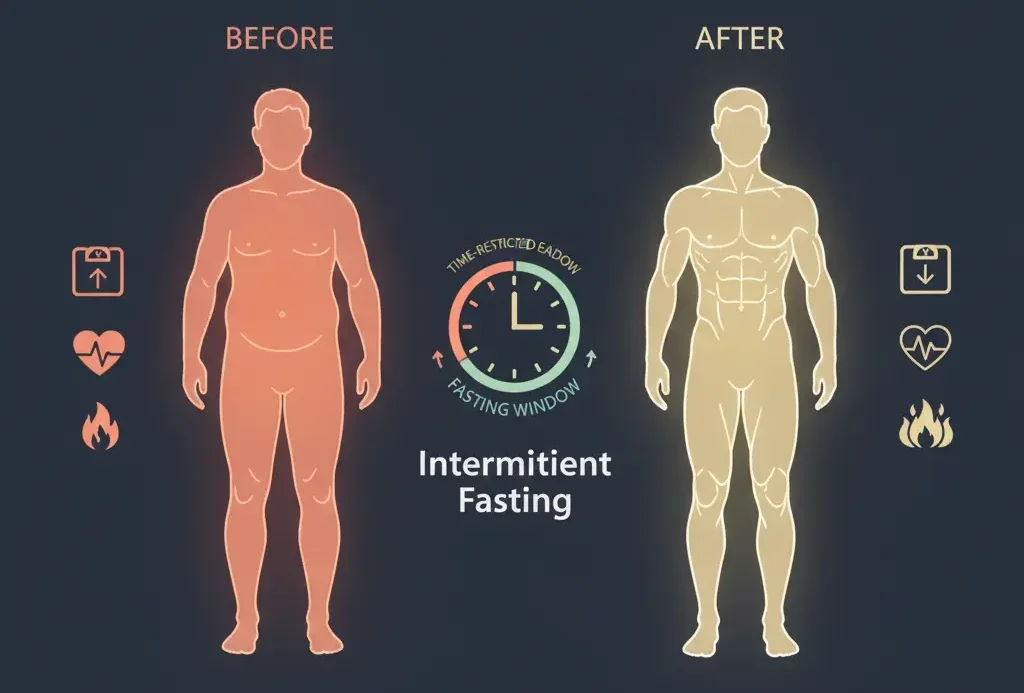
You pick a stretch of time and you don’t eat. Some people do this every day for a few hours (that’s intermittent fasting), while others go for longer periods, usually with a doctor’s help. When you get it right, fasting can boost your health, clear your head, and even help you feel more balanced.
So what’s actually happening when you fast? Let’s talk about the real-life benefits, no fancy language, just straight talk.
Table of Contents
1. Helps with Healthy Weight Loss
Also Read our best Blog Click Here 2. Improves Insulin Sensitivity
Fasting gives your body a break from nonstop sugar highs. Your cells start listening to insulin again, which means your blood sugar stays steadier and you feel more energetic. That’s a big deal. You lower your risk for type 2 diabetes, keep your energy up, and avoid those annoying blood sugar crashes. Honestly, this is one of the top metabolic perks of fasting.
3. Activates Autophagy (Cell Repair)
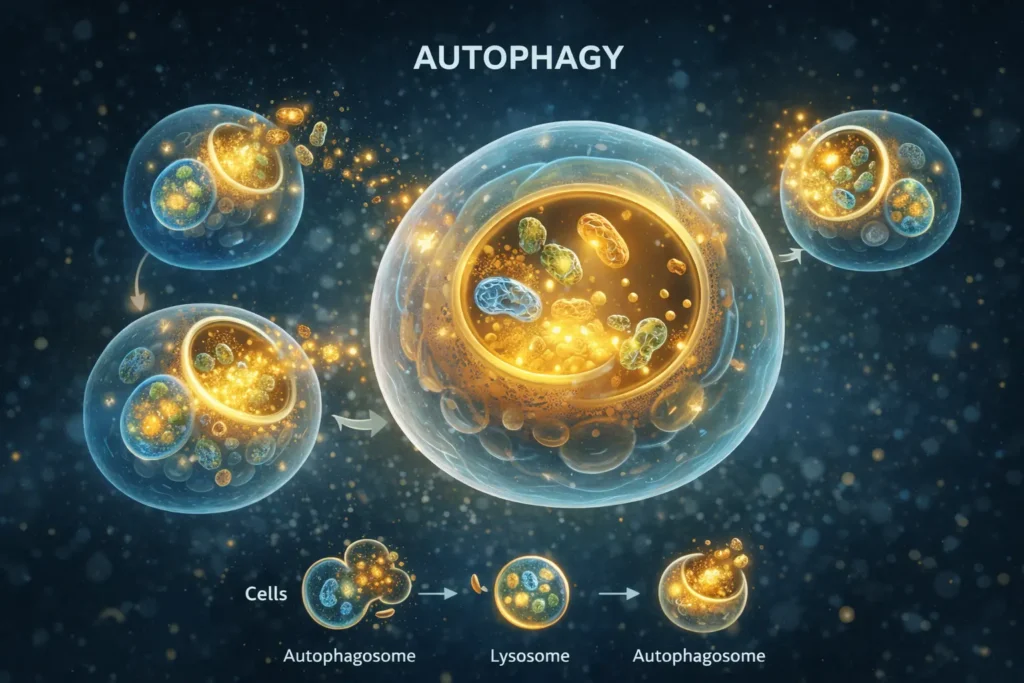
Let’s talk about autophagy for a second. It’s your body’s way of cleaning house—breaking down old, damaged cells and recycling them. Fasting flips the switch on this process. The payoff? Slower aging, better cell function, and a lower chance of getting hit with chronic diseases. Imagine spring cleaning, but happening inside your body, right down to the tiniest cell.
4. Supports Heart Health
Fasting does your heart a few big favors. It helps drop your LDL (the “bad” cholesterol), cuts down triglycerides, and can lower your blood pressure. By dialing back inflammation and improving your cholesterol numbers, fasting helps keep your heart ticking strong for the long haul.
5. Boosts Brain Function and Mental Clarity
A lot of people notice they think more clearly when they fast—and it’s not just in their heads. Fasting ramps up a brain protein called BDNF, which helps with memory and learning. You get sharper focus, a better mood, and that annoying brain fog lifts. No wonder fasting is tied to better productivity and a more mindful mindset.
6. Reduces Inflammation in the Body
Too much inflammation sets you up for all sorts of trouble—arthritis, heart disease, autoimmune problems. Its helps cool things off by giving your gut a break, so those inflammatory signals quiet down. Less joint pain, a stronger immune system, better recovery. You just feel better.
7. Improves Digestive Health
8. Supports Hormonal Balance
Its helps keep your hormones in check. Think of it like this: when you fast, your insulin levels drop, your human growth hormone (HGH) goes up, and your hunger hormone, ghrelin, gets regulated. That spike in HGH makes it easier to hold on to muscle and burn fat, which is great if you’re active or just trying to feel better.
9. Boosts Immune Health
Taking a break from eating for a short time can kickstart your immune system. Fasting helps clear out old or damaged immune cells so your body can make fresh, stronger ones. This makes it easier to fight off infections and bounce back when you’re sick.
10. Helps You Age Well
Animal studies keep showing that fasting can help you live longer. We’re still learning about its effects in people, but there’s real promise. Fasting lowers oxidative stress and ramps up cell repair, both of which are linked to aging in a good way. In the end, it’s not just about adding years to your life—it’s about making those years healthier.
11. Builds Discipline and Mindful Eating
Fasting isn’t just about the body. It changes how you think about food. You learn patience, pay more attention to what you eat, and get better at handling cravings or emotional eating. Lots of people who fast say they crave junk less, eat more intentionally, and actually enjoy their meals more.
Frequently Asked Questions
1. Is fasting safe for everyone?
Ans.1 Most healthy adults can fast safely. But if you’re pregnant, have an eating disorder, or have a medical condition, talk to your doctor first.
2. How long should beginners fast?
Ans.2 Most people start with a 12 to 14 hour fast and work up to 16 hours as they get comfortable.
3. Can I drink water while fasting?
Ans.3 Absolutely. Drink plenty of water. Black coffee and plain tea are usually fine, too.
4. Does fasting cause muscle loss?
Ans.4 Not if you’re eating enough protein when you’re not fasting. Short fasts won’t make you lose muscle.
5. How often should I fast?
Ans.5 That’s up to you and your goals. Some people fast every day, others just a few times a week.
6. What breaks a fast?
Ans.6 Anything with calories breaks your fast. Water, black coffee, and plain tea don’t.